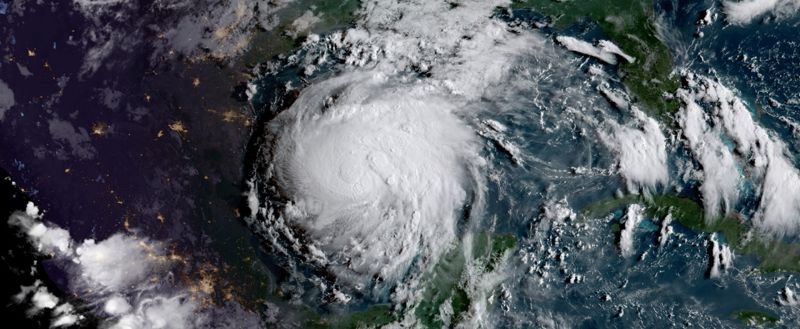
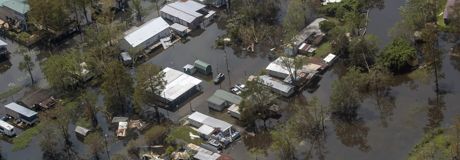
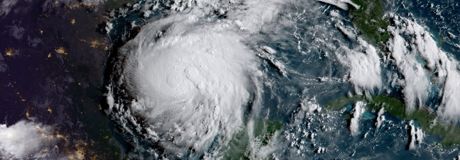
Increasing ocean heat content fuels rapidly intensifying hurricanes and tropical storms (>74 and 39-73 mph, respectively) which can damage large swaths of seagrasses, mangroves, and reefs in our region, (e.g., Steward et al., 2006; National Ocean Service, NOAA, 2025). Millions of humans and the social and economic systems that support them are also highly vulnerable in coastal areas (e.g., Carter et al. 2018), as many long-time Florida residents know. For example, the relatively small Hurricanes Jeanne and Francis heavily damaged over two dozen cities and towns up and down the Indian River Lagoon after landfalls in 2004, with impacts that lasted for years after (e.g., Treasure Coast Palm, 2019).
Record high sea surface temperatures, with reduced wind shear and other factors, are associated with higher than usual numbers of major hurricanes in the Northwest Atlantic in the 21st century, such as 2017 (Lim et al., 2018; Klotzbach et al., 2018). There were more named storm days, major hurricane days, and accumulated cyclone energy in September 2017 than any other month on record (Klotzbach et al., 2018). Since 2018, many large storms have made landfall in Florida with catastrophic impacts extending inland to the Carolinas and beyond (Tampa Bay Times, 2025). Almost all of these storms were born and raised among the extremely high, record-setting sea surface temperatures of the Gulf of Mexico (e.g., National Ocean Service, NOAA, 2025). Hurricanes and tropical storms coupled with dense coastal development have resulted in trillions of dollars in U.S. damage costs over the past several decades and trends in losses continue to increase (Gori et al., 2025).