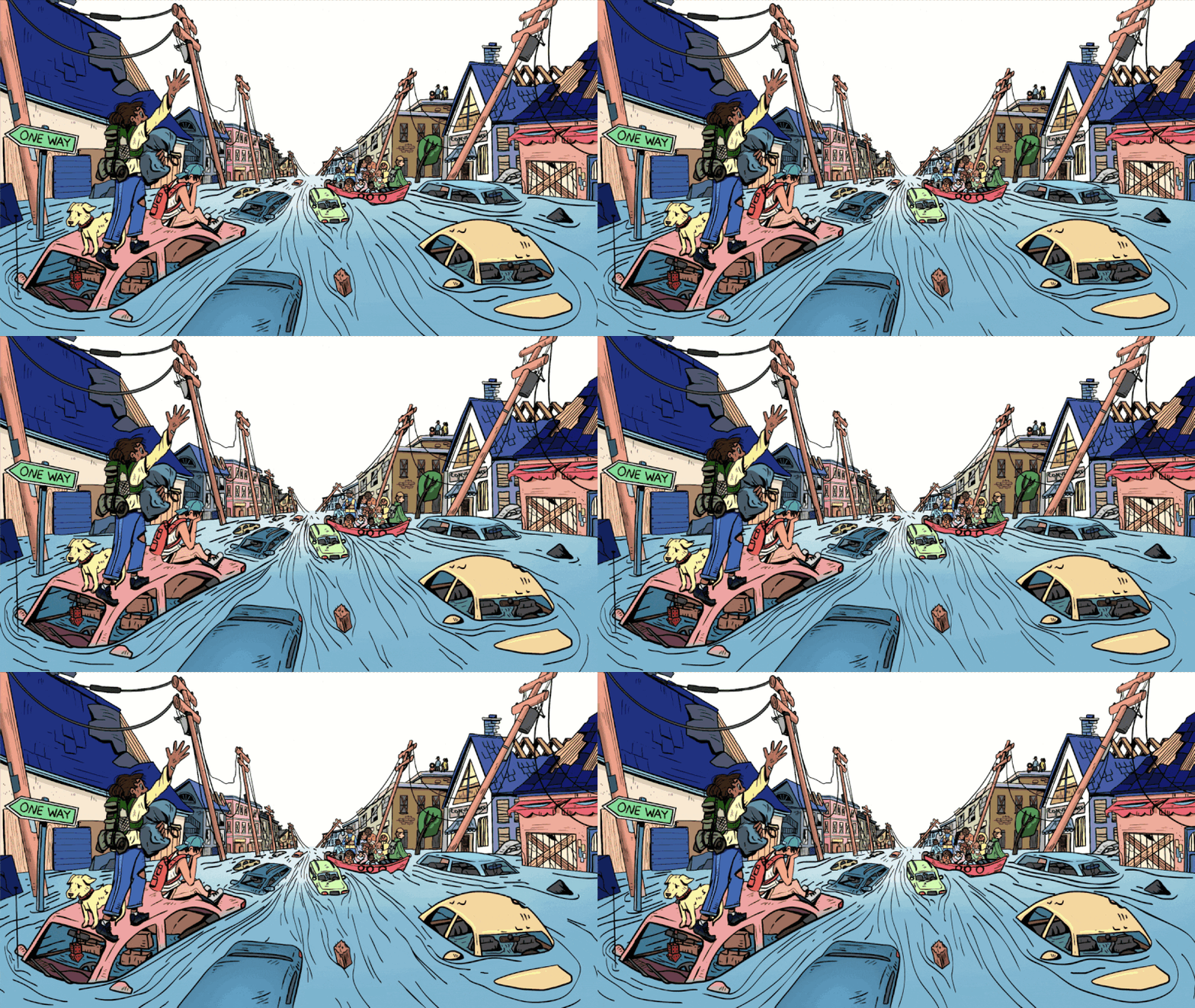
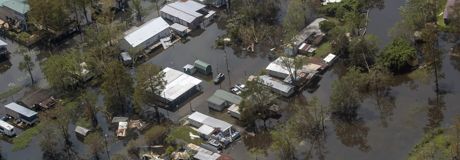
In Florida, the U.S., and many other countries, low-income, Black, Indigenous, Latino/a, Asian and other peoples have long been politically or economically grouped into areas subject to higher levels of: pollution (e.g., near powerplants, factories, landfills), flooding (lower elevation, historically flood-prone communities), and other factors that degrade public health, education, and economic mobility generation after generation (Bullard et al. 2014; Campbell et al. 2016; Fusi et al. 2021; Congressional Research Service 2024).
For over 30 years, research on and actions to remedy environmental justice (EJ) issues have been widespread, most commonly based on the EPA definition: “The fair treatment and meaningful involvement of all people regardless of race, color, culture, national origin, income, and educational levels with respect to the development, implementation, and enforcement of protective environmental laws, regulations, and policies.” Impacts from changes in climate have also been increasingly documented among lower-income populations (e.g., Yale Prog. On Climate Change Communication, 2025) and often involve the same drivers that contribute to EJ impacts. The Indian River Lagoon and nearby coastal regions have many communities that are subject to both Environmental and Climate Justice (ECJ) issues, including flooding and extreme heat.
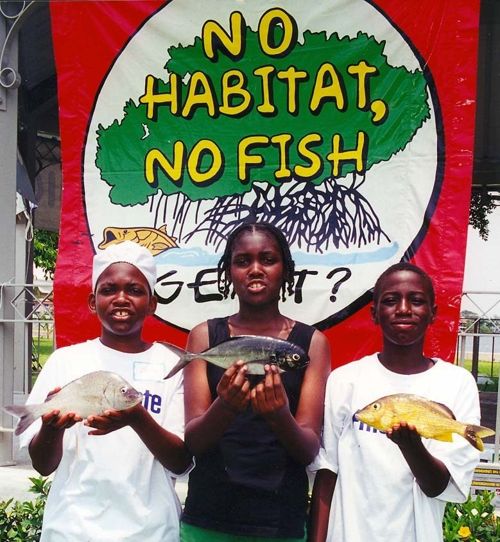
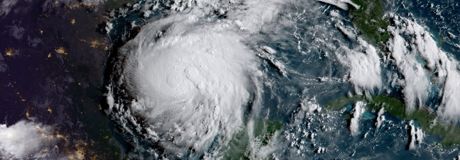
Climate change and associated environmental impacts affect the IRL’s highly diverse animal and plant populations in negative manners that also have economic impacts (e.g., web page summaries and literature throughout this site). Current and future social, economic, and environmental research is widely needed to assemble essential data to improve strategic planning and adaptation strategies for coastal human communities (Fusi et al. 2021), as well as the fauna and flora living in, or from, coastal waters. Many agencies have stopped essentially all EJ, CJ, and associated research and policy efforts as of early 2025 (e.g., EOS.org. 2025; EnvironmentalHealthNews, 2025).