The Indian River Lagoon sustains east-central Florida’s coastal lands and communities in countless ways. The IRL has an estimated annual regional value of over $28 billion (Balmoral Group, 2025). To better understand the IRL and climate change, this resource has three sections: Environmental Impacts, Economic Impacts, and What We Can Do. These sections provide summaries on major issues at local through international scales with over 130, 65, and 60 web links, respectively.
Environmental Impacts
The health of east-central Florida’s Indian River Lagoon and similar coastal waters around the globe are connected to changes in climate in many ways. Ocean-atmosphere heating and the cascading impacts that result continue to increase throughout the Southeast U.S. and Florida (National Climate Assessment, 2023; NASA, 2026). Diverse environmental, social, and economic resources face sometimes similar challenges in many other estuarine and nearshore ocean regions.
Effects from climate change can co-vary, i.e., a physical change in one system can cause changes in other systems in difficult-to-predict ways, as the status of one may co-vary with other variables that are also changing. For example, the increasing heat content in estuarine and ocean waters has co-varying effects among many of the categories below. The impacts of climate change as well as the underlying geophysical mechanisms are well-summarized in reviews such as IPCC (2019), Dahlman and Lindsey (2020), NCA (2023) and various sections of NASA (2025). Over 265 web links in this reasource contain decades of fact-based findings and informed recommendations to reduce impacts to our lands, waters, and communities.

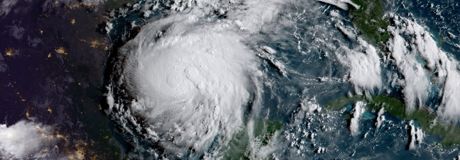
Economic and Health Impacts
The coastal waters and lands of the Indian River Lagoon are a natural economic and social treasure for east Florida’s Space Coast and Treasure Coast. Beyond the costs of increasing algae blooms, fish kills, seagrass losses, and marine mammal starvation, additional economic impacts in various sectors result from an absence of adaptive planning.
What We Can Do
We can make a difference. The links below have examples of how to get involved at local, state, and national levels. The 160 mile Indian River Lagoon includes diverse resources and human communities, and is a model for understanding and adapting in other subtropical and warm temperate coastal systems of North America and beyond.