Environmental Impacts
Hotter estuaries & OCEANs
One Change Can Affect Many Systems
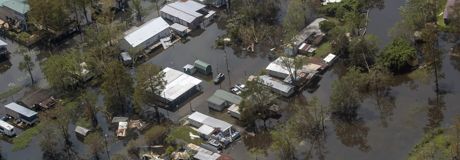
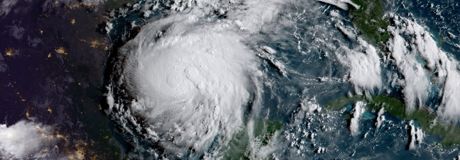
Ninety percent of the heat trapped by greenhouse gases since the 1950s is stored in the oceans not the air (IPCC, 2019; Dalhlman and Lindsey, 2020). The health of our lagoon and coastal ocean is jeopardized by many changes resulting from increasing ocean heat content. Many of these impacts can co-vary: one physical or biological change can cause changes in other systems in difficult-to-predict ways. Increasing the heat content of our estuarine and ocean waters impacts of our most foundational coastal resources [good starting points include the authoritative National Climate Assessment – SE US (2023) and IPCC (2019)]. However, it’s not too late to prepare for and reduce these co-varying impacts.
For the Indian River Lagoon, summaries of these issues include the IRLNEP, Climate Ready Estuaries Report (2021) and Parkinson et al. (2021a). Please see this page and others for decades of findings from the geophysical, biological, socio-economics, and policy literatures.
Algal Blooms and Fish Kills
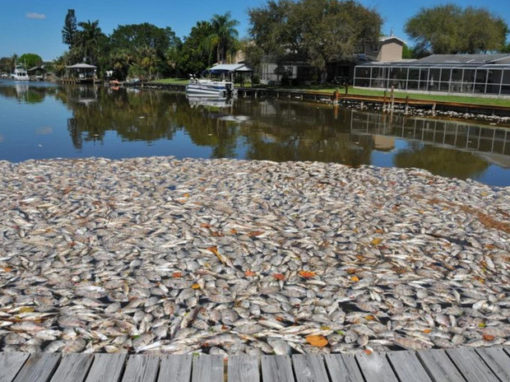
Stolen et al. 2025)Hotter water reduces the availability of oxygen for fishes while enabling faster growth of algae in estuaries and oceans, a powerful combination for communities concerned about algal blooms and fish kills (e.g., Gobler et al,. 2017). Increases in ocean heat and nutrient runoff contribute to harmful blooms of both algae and cyanobacteria (called blue-green algae, actually photosynthetic bacteria) that can have widespread impacts (Paerl et al., 2016; Parkinson et al., 2021b). These issues are summarized from various science and management perspectives in documents on the IRL NEP website, including the IRL’s Comprehensive Conservation Management Plan (NEP, 2019).
Increased runoff of nitrogen and phosphorus from heavily fertilized lawns with more stormwater events in warmer waters can increase the growth rates of harmful algae (e.g., Paerl et al., 2016; Nazari-Sharabian et al., 2018). Resulting harmful algal blooms can cause fish kills, impact marine mammals, and create other short- and long-term impact cascades on coastal waters and their organisms (e.g., NEP, 2019; Fire et al. 2020). Algal blooms can also affect food webs, causing declines in species of fishes that are fed on by marine mammals, further impacting important species (Stolen et al. 2025).
Source: Florida Today
Source: D.B. Snyder
Seagrasses
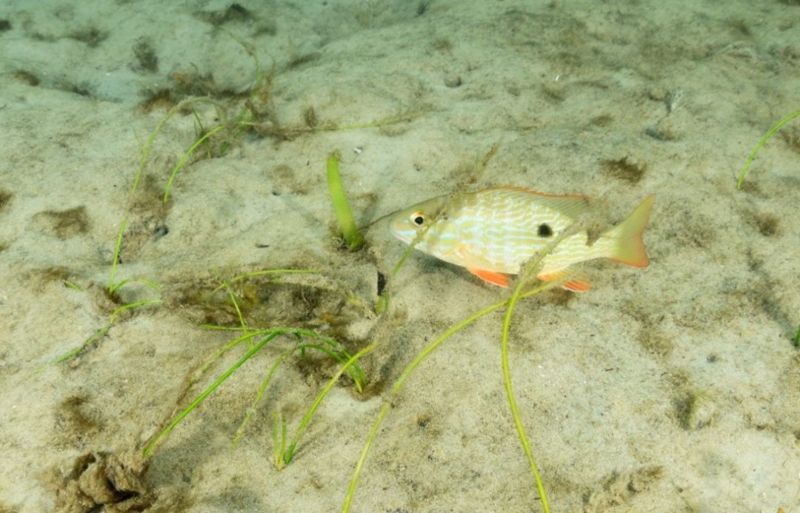
Seagrasses are underwater flowering plants with complex biological and physical relationships to their environment (e.g., Steward et al., 2005, Steward et al., 2006; Lee et al., 2007). Many major questions can vary by region and are being investigated. Seagrasses in the IRL have declined dramatically since 1999 due to multiple factors including fertilizer and sediment runoff, reduced light penetration from algal blooms and sediment resuspension, and sewage and septic nutrient loading (e.g., IRL CCMP, 2019; Morris et al. 2022). These and other features can effect patterns of seasonal occurrence of seagrasses and should influence resource assessment and management decisions (e.g., Parkinson et al., 2021b; Morris et al. 2022; Brewton and Lapointe, 2025). Major scientific reviews of seagrasses in terms of climate change (e.g., Short et al. 2016), include the following points.
- Hotter estuarine waters affect seagrass growth and reproduction, and can change geographic distributions in complex manners. The temperature range for tropical and subtropical seagrasses is 73- 90°.
- Increasing ocean temperatures will increase the chances of algal blooms and can result in less light reaching seagrasses.
- Higher temperatures increase extreme weather events which can degrade seagrasses by increasing the frequency and volume of stormwater runoff from roads and lands, further increasing turbidity and decreasing light penetration.
- Changes in salinity associated with more extreme weather, especially reductions in salinity, can change the species compositions and densities of coastal seagrasses.
Temperature stresses are most obvious at the edges of species ranges and can affect the reproductive output of seagrasses. Seagrass growth can be accelerated as well. These are examples of co-occurring biological processes that may be affected in beneficial or detrimental manners, depending on the system and scale being considered.
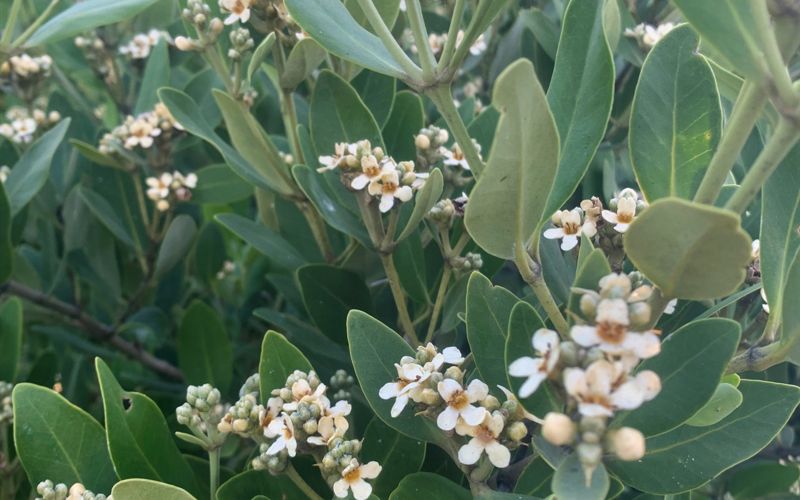
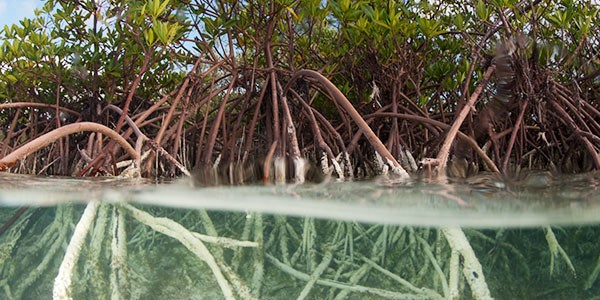
Mangroves
Complex effects on the health of mangrove forests can occur from ocean heating which also can co-vary with issues including sea level rise, extreme rain and wind events, increased ultraviolet B exposure, and other factors (e.g., Ward et al. 2016; Jennerjahn et al. 2017).
- Growth rates of mangrove species can accelerate with increased temperatures. There is also evidence that mangroves can be more susceptible to diseases in the presence of increased temperatures.
- Mangroves are showing shifts in distribution towards the poles in both hemispheres, with impacts on pre-existing vegetation communities (e.g. salt marshes).
- Extreme weather events will stress and shape mangrove forests through direct physical and hydrological impacts.
- Large mangrove forests can be efficient at removing carbon from the atmosphere (sequestration) for their own biological processes.
Source: C. Savoia
Source: J. Wasserman
Comparisons among Aquatic Plants
Submerged plants, such as seagrasses and algae, can be affected by temperature increases, changes in water clarity, and changing inflows. Emergent plant communities (salt marshes and mangroves) may be more susceptible to hydrological alterations related to extreme weather (e.g., Short et al., 2016).
Warming air and water contribute to extreme weather events, putting additional stress on coastal plants through direct physical damage and turbidity, reducing photosynthetic growth. Both gains and losses to aquatic plants will result from climate change (Short et al., 2016; National Climate Assessment, 2023), with potential growth increases among stress events, with co-occurring negative physiological consequences from changes in temperature, salinity, and other drivers (e.g., Ward et al., 2016).
Corals
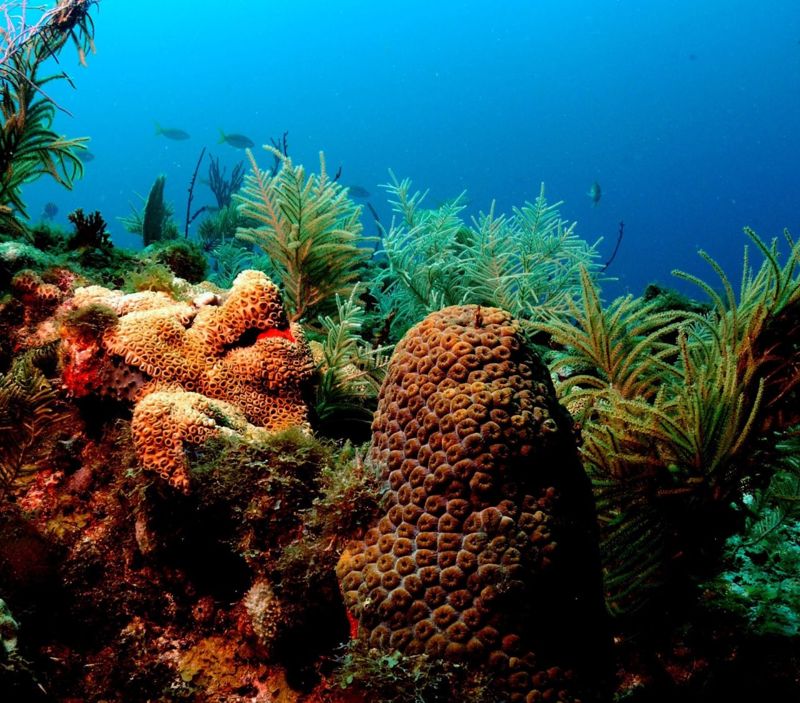
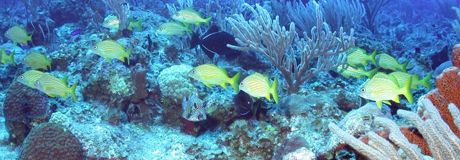
Corals are animals that build calcium carbonate skeletons with photosynthetic algae that live in their tissues. Various species occur off of the Indian River lagoon, some in shallower water near the inlets connecting the lagoon to Atlantic Ocean. The corals and algae mutually depend on each other. Coral reefs have very high ecological and economic values around the globe, and support diving and fishing economies along the IRL region.
- Coral bleaching occurs when hotter water causes the coral to release the algae partners and turn white. The coral animals do not always die from initial bleaching events but can or will die with multiple bleaching events (e.g., Carpenter et al., 2008; NOAA Coral Reef Program, 2020).
- Diseases that damage or kill corals can also be amplified by increasing ocean temperatures (Randall and van Woesik, 2015; Mera and Bourne, 2018).
Source: NOAA
Source: NOAA
Fisheries
- There is evidence for climate-mediated latitudinal shifts in several of Florida’s Atlantic fishery species including black sea bass, Atlantic croaker, bluefish, and others (e.g., NOAA Fisheries, 2025).
- Rapid ocean heating may confound physiological and behavioral features of marine fish reproduction, affecting spawning activities and egg production in some species over time (e.g., Asch et al., 2019).
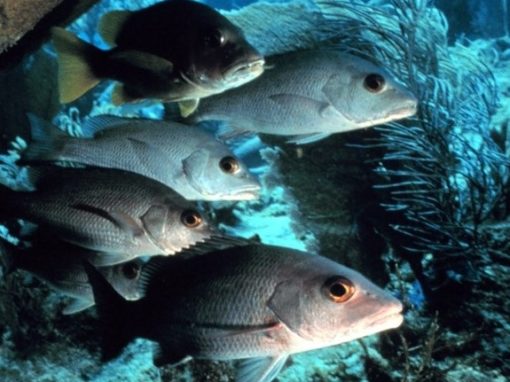
- The region includes over 30 species just from the snapper, porgy, and grunt families, many are well known to fishers. These families contain over 400 other species around the world in similar marine and estuarine habitats. Most of these species are also subject to multiple climate change effects (Snapper Seabream & Grunt Specialist Group, 2025; other pages on this website).
- Observations from commercial and recreational fishers on climate change effects include increased fouling of hooks by algae, and modified patterns of latitudinal distribution in some highly-sought species (B. Hartig, Commercial Fisherman, pers. comm.).